Selecting the Experienced Bathroom Remodel Contractor for Quality Results
Upgrade Your House Aesthetics Using Authority Insights for Bathroom Remodeling
Bathroom upgrades can significantly enhance a home's overall appearance. By emphasizing layout optimization, material quality, and color cohesion, homeowners can establish a space that is both functional and visually appealing. Nevertheless, attaining this transformation demands careful planning and assessment of different elements. As one starts to explore these potential solutions, recognizing the critical steps involved will be necessary for success. What approaches will truly transform your bathroom experience?
Evaluating Your Washroom's Current Layout
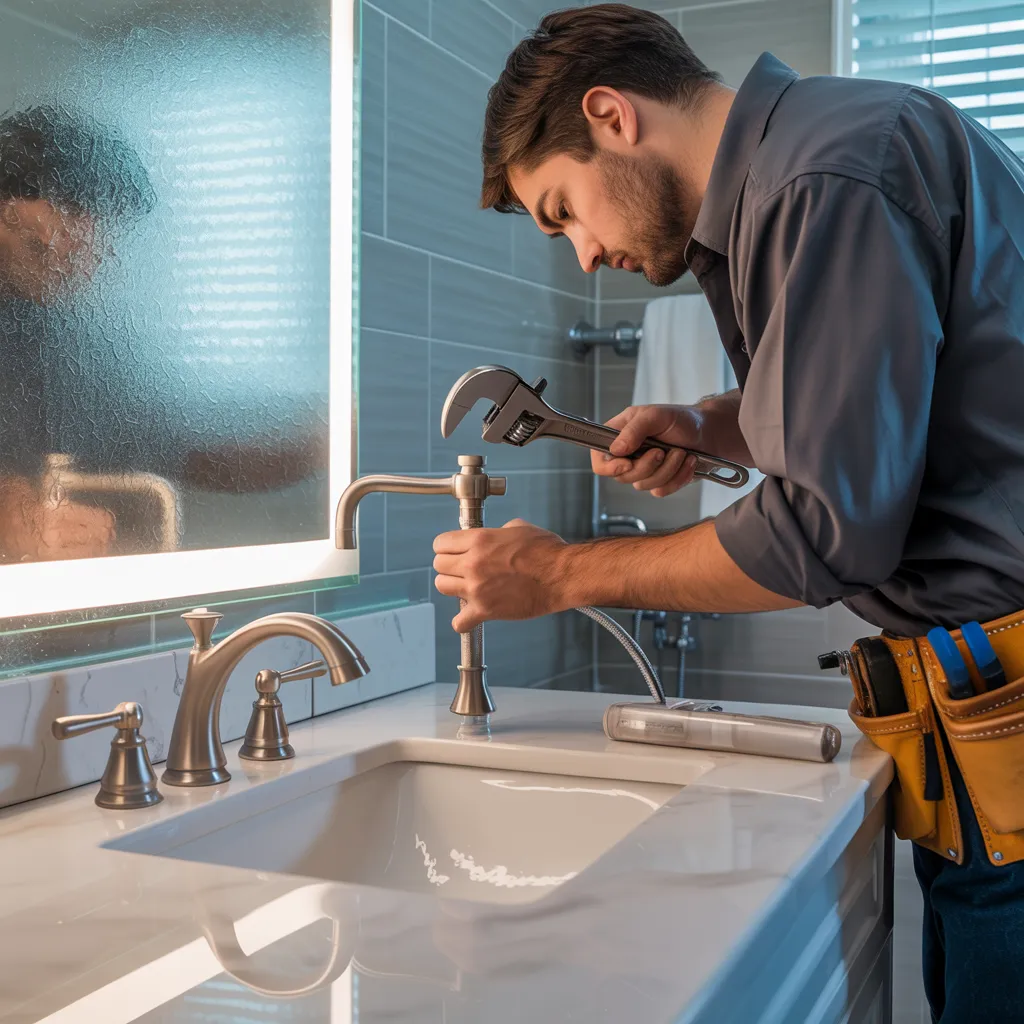
How does one begin to evaluate a bathroom's current layout? This begins with a comprehensive examination of the current area. Document the arrangement of essential fixtures such as the sink, toilet, and shower or bathtub. Assessing the workflow and functionality is critical; determine whether the design enables effortless movement and reach. Subsequently, assess the bathroom's measurements and geometry, acknowledging any challenges or chances for optimization. Furthermore, illumination and air circulation contribute substantially to the general ambiance. Documenting details and creating rough diagrams can aid in conceptualizing future alterations. Full Bathroom Renovation Finally, this analysis provides the groundwork for upcoming design determinations, making certain the transformation addresses both utilitarian demands and visual aspirations.
Determining a Realistic Budget
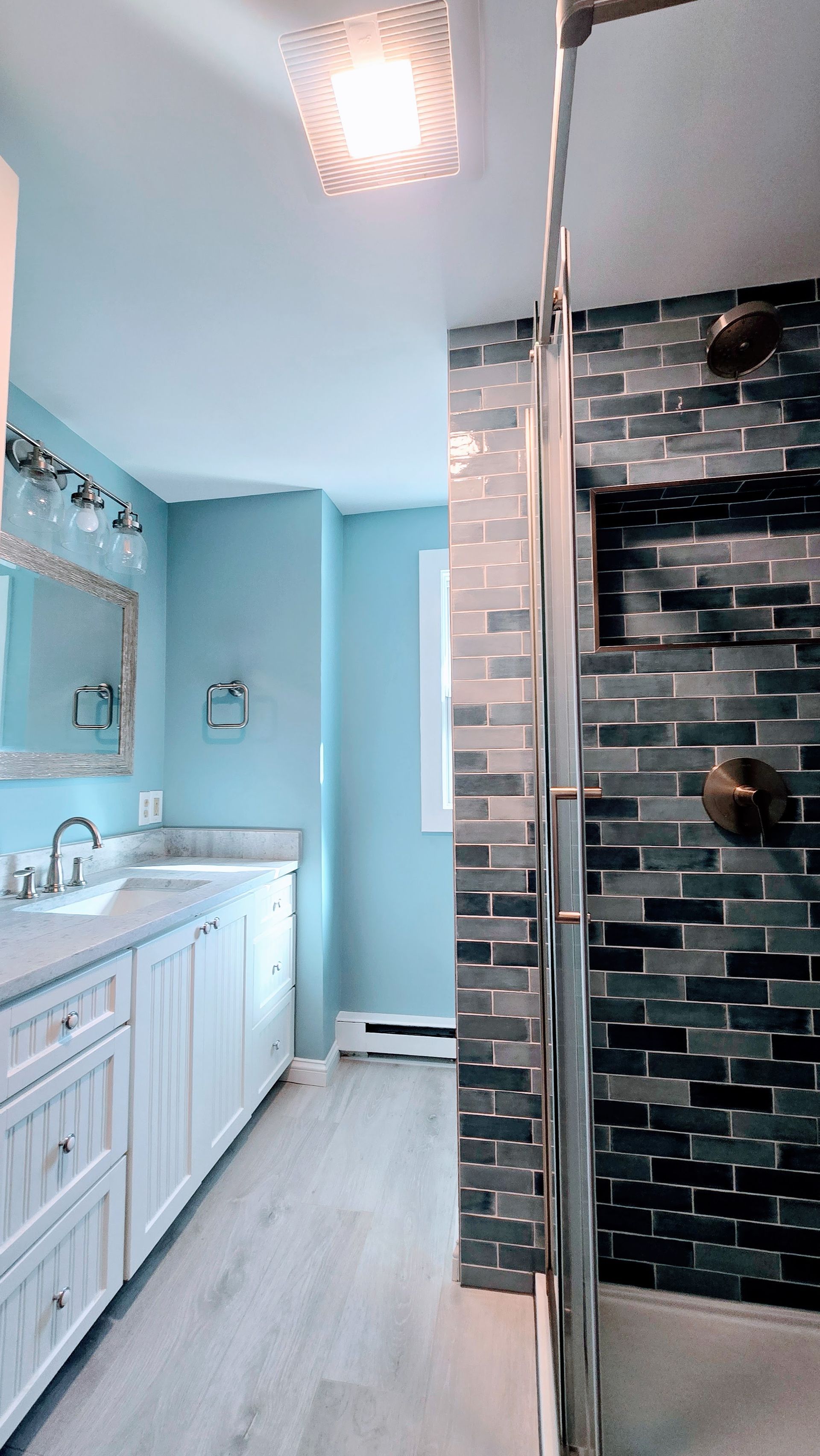
After evaluating the bathroom's present layout, the next step involves setting a realistic budget for the renovation. This process demands careful consideration of various factors, including materials, labor costs, and the extent of the project. Homeowners should start by researching average costs for fixtures and finishes they envision, as well as local contractor rates. It is crucial to account for unexpected expenses, typically 10-20% of the total budget, to secure financial flexibility. Additionally, establishing a priority list can aid in allocating funds effectively, distinguishing between essential upgrades and aesthetic enhancements. By setting a clear budget, homeowners can make informed decisions that align with their renovation goals while avoiding overspending or financial strain.
Picking the Ideal Color Palette
Picking the right color palette is crucial for creating the desired atmosphere in a bathroom. Homeowners need to consider the impact of warm versus cool tones, as each can evoke different feelings and aesthetics. Additionally, the careful use of accent colors can improve the overall design and add visual interest.
Warm vs. Cool Tones
When considering a bathroom renovation, the choice between warm and cool tones can substantially impact the overall ambiance of the space. Warm tones, such as soft reds, oranges, and yellows, create an inviting and cozy environment, ideal for those seeking a comforting atmosphere. These hues often evoke feelings of warmth and relaxation, making them perfect for personal retreats. In contrast, cool tones, including blues, greens, and purples, impart a sense of tranquility and spaciousness. They can make a bathroom feel fresh and modern, enhancing the illusion of cleanliness. Ultimately, the selection of tones should align with the homeowner's personal style and the desired mood, ensuring that the bathroom becomes a harmonious and aesthetically pleasing sanctuary.
Accent Colors and Their Significance
The selection of accent colors significantly influences defining the overall aesthetic of a bathroom, supporting the primary tones selected for the space. Selecting the right accent colors can enhance visual interest, create contrast, and establish a cohesive design. For instance, pairing soft blues or greens with warm neutrals can evoke a soothing atmosphere, while bold shades like deep navy or vibrant coral can infuse energy and personality. It is important to take into account the size and lighting of the bathroom, as darker colors may make a small space feel more confined, while lighter hues can open up the area. Ultimately, a well-thought-out color palette, including carefully chosen accent colors, can transform a bathroom into a stylish retreat.
Selecting Premium Materials and Fixtures
High-quality materials and fixtures are crucial in establishing the complete success of a bathroom remodel. Selecting high-quality options guarantees durability and longevity, which proves especially critical in an area subjected to humidity. High-end materials, including natural stone or porcelain tiles, can enhance the visual attractiveness while withstanding daily use. Additionally, fixtures like faucets, showerheads, and vanities should be chosen for both functionality and style, because they influence considerably the bathroom's entire look. Purchasing from established manufacturers typically guarantees superior functionality and guarantees. Additionally, it's advisable to take into account eco-friendly options that conserve water and energy. Ultimately, the thoughtful choice of materials and fixtures can convert a bathroom into an elegant, practical sanctuary.
Optimizing Space Through Clever Design
Optimizing space in a bathroom demands careful evaluation of layout and fixture selection. Effective layout strategies can create a more open feel, while multi-functional fixtures enhance utility without sacrificing style. By focusing on these elements, homeowners can transform even the smallest bathrooms into practical and attractive spaces.
Efficient Structure Techniques
When contemplating a bathroom renovation, effective layout strategies are essential for enhancing both functionality and aesthetics. A carefully designed layout can make the most of space, making even small bathrooms feel more open and inviting. It is essential to focus on the placement of primary fixtures such as sinks, toilets, and showers, ensuring they are readily available without hindering movement. Integrating vertical storage solutions can further help maximize floor space while maintaining a clean, organized look. Furthermore, utilizing design elements like floating vanities and glass enclosures can create an illusion of increased space. By strategically examining the flow of the room and considering the user experience, homeowners can achieve a well-proportioned and efficient bathroom layout that meets their needs.
Versatile Equipment
Although space is often at a premium in bathrooms, integrating multi-functional fixtures can substantially boost both usability and aesthetics. These creative designs combine various functionalities into a single unit, effectively conserving space while offering essential features. For example, vanities with integrated sinks and storage compartments eliminate the need for separate cabinets, optimizing the overall look. Additionally, shower-tub combos allow for diverse bathing options without consuming excessive floor space. Retractable or wall-mounted accessories, such as shelves and mirrors, can be concealed when not in use, further maximizing the area. By choosing multi-functional fixtures, homeowners can develop a more functional and visually appealing bathroom, in the end enhancing their overall renovation experience.
Implementing Advanced Technology
How does cutting-edge technology transform the modern bathroom? Integrating innovative elements can convert a standard area into an upscale sanctuary. Digital shower systems with electronic interfaces enable individuals to personalize water heat and flow, while touchless faucets enhance convenience and hygiene. Customizable lighting solutions, featuring color-variable LED fixtures, can produce a tranquil setting aligned with individual desires. Furthermore, warming floor systems and heated towel bars provide luxury throughout winter seasons. High-tech toilets with integrated bidet functions promote cleanliness and sustainability. Additionally, voice-controlled devices can manage multiple bathroom operations, play audio, or establish alerts. Through adopting these cutting-edge advancements, property owners can attain a more functional, pleasant, and visually appealing bathroom space, demonstrating contemporary lifestyle expectations.
Incorporating Personal Elements and Embellishments
Often, homeowners disregard the importance of personal touches and accessories in bathroom design. These elements tremendously boost the overall aesthetic and make the space feel warm. Simple additions, such as decorative towels, artwork, or a fashionable shower curtain, can infuse personality into the bathroom. Choosing accessories that reflect individual style—whether through color, texture, or theme—can transform a standard bathroom into a personalized haven.
Plants along with candles function as perfect accents, bringing natural beauty and soothing scents. In addition, distinctive storage solutions such as retro baskets or stylish shelves can combine utility with aesthetics. By carefully adding these personal touches, homeowners can develop a bathroom that both fulfills its function and reflects their individual style and way of life.
FAQ
How Long Will a Standard Bathroom Remodeling Project Take?
A typical bathroom renovation generally takes between 3 to 6 weeks, depending on the scope of the project, the availability of materials, and the effectiveness of the contractors participating in the renovation process.
Is a DIY Bathroom Renovation Something I Can Do?
A bathroom renovation can definitely be done as a DIY project; yet, it demands careful planning, knowledge of plumbing and electrical systems, and meticulous attention to detail. DIY renovations can reduce expenses but may also present unexpected challenges.
What Permits Are Necessary for Renovating a Bathroom?
Normally, homeowners need building permits, electrical permits, and plumbing permits for a bathroom renovation. Rules differ by location, so it's advisable to contact local authorities to ensure compliance with all mandatory codes and requirements.
How Can I Make Certain My Renovation Raises Home Value?
To ensure a renovation enhances home value, you should focus on top-quality materials, up-to-date fixtures, and effective layouts. Furthermore, aligning with local design trends and preserving functionality are crucial for drawing in future buyers.
What Common Errors Should Be Avoided During Renovations?
Frequent pitfalls during renovations include failing to accurately estimate prices, overlooking required permits, neglecting usability, dismissing timeframes, and overlooking the need for competent specialists. Close attention to specifics and proper planning can prevent costly setbacks and secure a better-organized renovation process.